
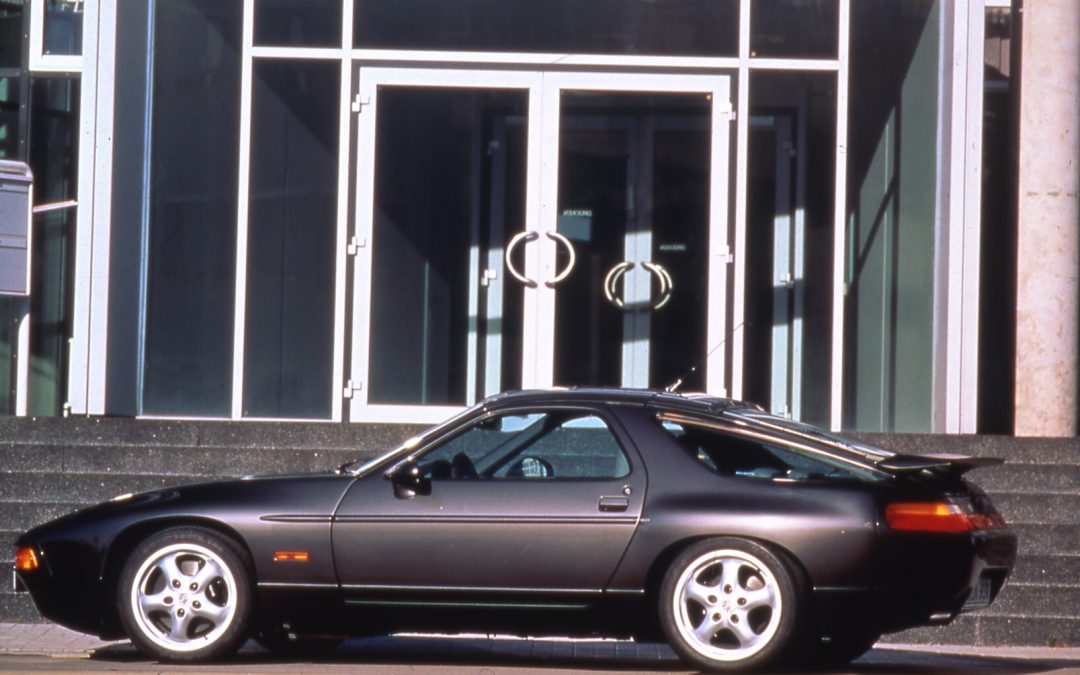
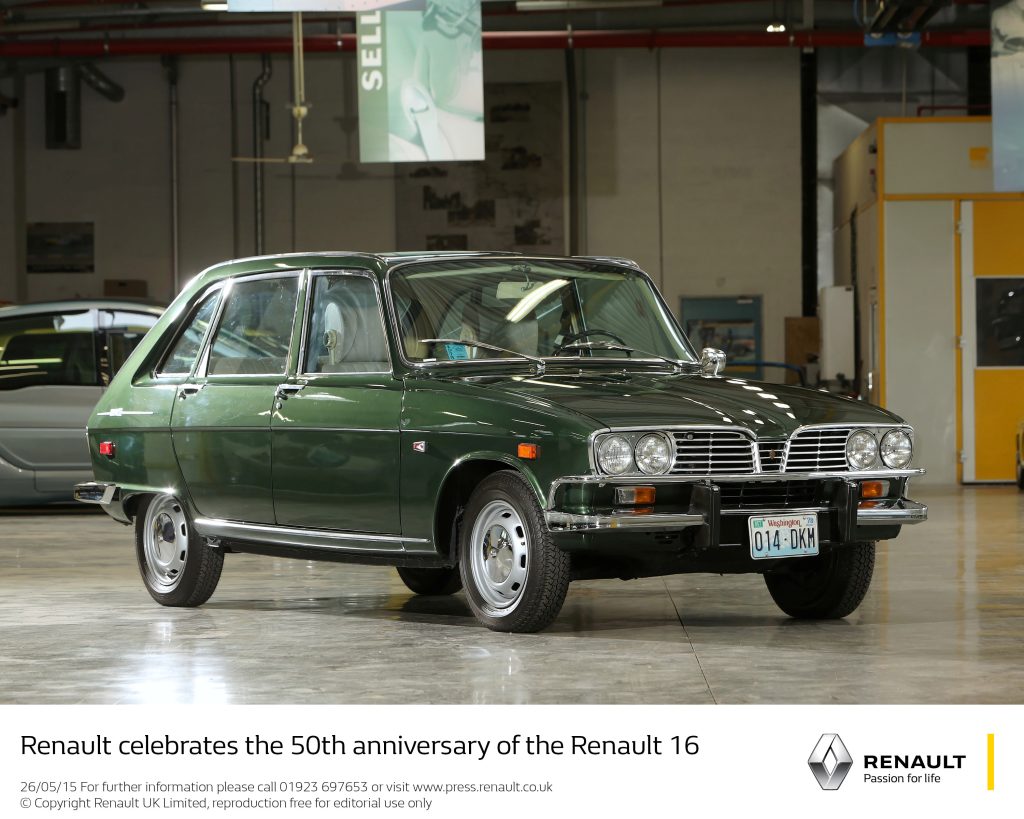
Renault 16, pioneer hatchback. A commendable COTY: Porsche 928GTS a mistake, decided COTY.
COTY
The testimony of European Cars of the Year (COTY) jury has hardly been encouraging. The most prolific winner, Fiat (seven firsts, five seconds) has just collapsed to “junk bond” status, which does not say a lot for the deciding journalists’ judgement. Did nobody notice the cars were hopeless, or did Fiat give the best parties? Fiat offshoot Alfa Romeo has won twice in the last five years, Lancia once in 1980. Yet no BMW has ever won, nor any Jaguar, nor a single icon of the safety-minded, Volvo.
Cars of the Year, like Christmases, are hyped too early and contentiously. Our own dear Scottish Car of the Year (SCotY), gallantly sponsored by the AA for five years, is now looking elsewhere for support. Awards draw attention. There are Cars of the Year on every Continent. Magazines and newspapers select them. Fleet users choose best business car, caravanners best tow car, diesel users best diesel. The Institute of Vehicle Technology awards tributes at the motor show. Any manufacturer without a golden steering wheel or a framed citation for the boardroom is really not up to snuff.
It does not stop at cars. The Mini marketing team swept the board at the Marketing Week/Chartered Institute of Marketing and Media Week Awards, while its corporate communications team scooped the Institute of Public Relations Awards and last week’s PR Week Awards. In the end it may not matter. Mazda probably got a nice feeling from the Mazda 6 being elected SCotY. The publicity will draw it from some obscurity into the light of day.
European COTY began well in 1964. A praiseworthy initiative to stem the proliferation of awards by Dutch magazine Autovisie, I was its British correspondent. Editor, the late Fred van der Vlugt said I must join the jury. I said I’d think about it but he never asked me again, although I did take part as a judge in his next big idea, Car of the Century.
COTY’s choices started well too, electing the innovative and technically admirable Rover 2000. It was not the jury’s fault that the Austin 1800 which followed in 1965, was badly made and a commercial disaster. The Renault 16 that won in 1966 was the first true hatchback and a success. Winner in 1968 the NSU Ro 80, was radical but a failure. One COTY in three turned out badly. Its melancholy catalogue began with the Fiat 124 in 1967, another dull Fiat the 128 in 1970, followed by some real turkeys like the Chrysler Alpine of 1976 and the Rover 3500 in 1977. Worse was to come in 1979, with the Talbot Horizon and Fiat’s rusty Ritmo, first and second. The winning Renault 9 of 1982 sank without trace.
The 1984 Fiat Uno hardly represented the commanding heights of technology, the 1985 Vauxhall Nova was worthy but dull and in 1986 the Ford Scorpio something of a lame duck. In 1989 came another Fiat the Tipo, the Vauxhall Cavalier relegated to second ahead of the Volkswagen Passat. Yet Tipo was one of the cars that led Fiat to disaster, while the Cavalier and its successor Vectra still do well, and the Passat is among Europe’s best.
COTY jury suffered from chauvinism, appropriately from the French who invented it. For 30 years COTY never elected a Japanese car. When it did in 1993 it was in the teeth of opposition from the French jurors, all six of whom made the Renault Safrane their first choice. Five Italians, who put the Fiat Cinquecento first however, largely cancelled them out. Trouble was, the winning Nissan Micra was British built in Sunderland. It was rated first by four of the British jurors, four Swedes, two Germans, two Swiss, and one from nearly everywhere else including, surprisingly, an Italian.
After electing the Porsche 928 the COTY committee got cold feet. It was in every respect the car of the year 1978 but they thought it seemed elitist so changed the rules. Porsche gave great technical presentations but not so many parties. The introduction of value for money as a new criterion was commendable, but the effect was to proscribe expensive cars whatever their merit. After 1978 Mercedes-Benz never won again, nor BMW, nor Volvo, nor Jaguar, nor Porsche, nor even inspired engine engineers like Honda.
Unbelievable. There was never anything innovative or radical, save the Citroën XM of 1990 making it to the top, and nothing up-market since the aerodynamic Audi 100 of 1983.
Instead, there has been a succession of safe bets, the Nissan Micra, VW Golf, Fiat Tipo, Opel Kadett, Fiat Uno, Renault 9, Ford Escort and Mondeo – scarcely memorable for radicalism or innovation. Embarrassed judges concluded that value for money meant cheap, effectively excluding notable innovations like the aluminium structure of the A8, or clever hybrids with fuel cells and low emissions. Last year it was Peugeot 307, this year the front-runner is the splendid Renault Megane. Perhaps the French jurors are regaining the upper hand.
Published November 2002