
VW Group Piëch and Pischetsrieder
We were a Wolseley family, we had Tens, a splendid grey and blue Fourteen and a troublesome 6/80. Next door had Rovers, up-market, quiet, smooth and stylish. A schoolboy could tell you that a Wolseley was only a tarted-up Morris with a radiator badge that lit up, twin carburettors, leather upholstery and a wood facia, while a Rover was “the Rolls-Royce of light cars”. Nuffield (Morris, Wolseley, Riley, and MG) badge engineering began in the 1930s yet, sharp-eyed children apart, hardly anybody noticed.
When Austin was added to form the British Motor Corporation in the 1950s, it made five versions of the same car, and the motoring press solemnly announced them as though they were completely different. They had different trim, tailfins, engine power and grilles but essentially, they were identical. Nobody was taken in.
The motor industry is still at it. The cars can look dissimilar now, they can be built in different countries, but once again customers are growing bored. A Jaguar X-type is too close to a Ford Mondeo. General Motors is in difficulties because a Saab is pretty much a Vectra. Look underneath and you will see suspension identical to a Vauxhall’s but by attaching things through different holes, you get different track and wheelbase. And there is not much point in paying extra for an Audi that is pretty much the same as a Volkswagen, or a Seat, or a Skoda.
Bernd Pischetsrieder has a difficult task at VW Group. Head of BMW until losing his job in the wake of the Rover debacle he took over at VW when Dr Ferdinand Piëch retired. Automotive lustre was in Piëch’s genes. Grandson of Ferdinand Porsche creator of the 1930s VW and Auto Union racing cars, Piëch worked for Porsche AG, designing the sensational 917 until Uncle Ferry Porsche fired family members to stop them quarrelling.
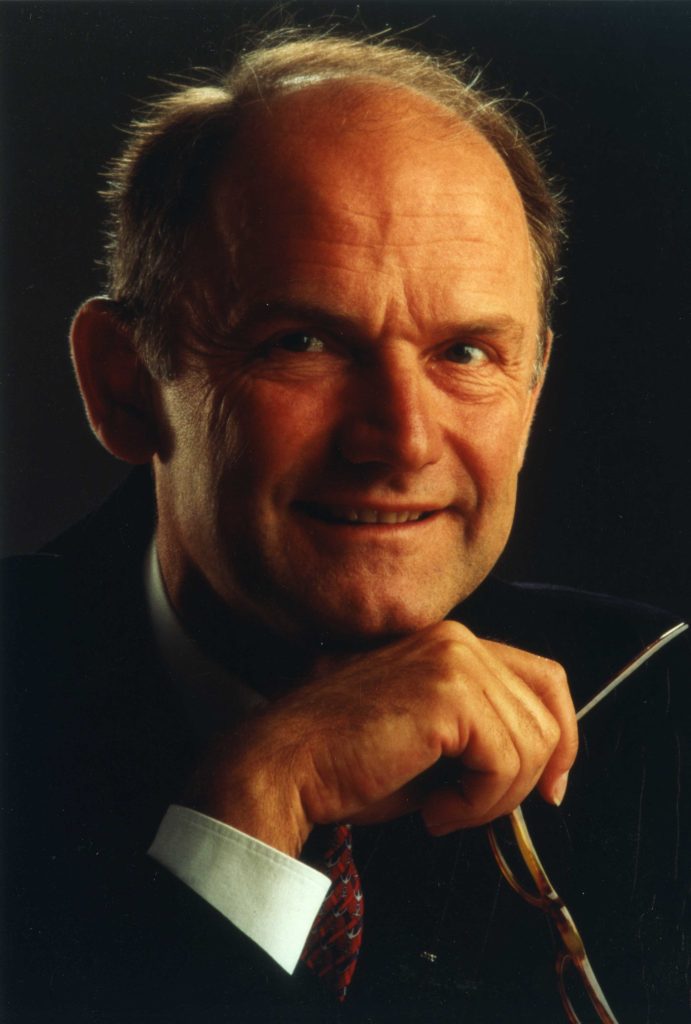
Piëch’s engineering talent lay somewhere between intellectually spiritual and pure genius. When he joined VW, the group had sixteen chassis platforms and he reduced them to six. Platforms comprise the mechanical units, floor, sills, suspension, engine, and transmission. Outer body shells are dissimilar and changes are rung with alternative engines and transmissions but now too many Skodas VWs Seats and Audis overlap. Skoda is no longer the East Europe bargain-basement marque. VW has had to challenge Mercedes-Benz as it has tried to invade VW territory. Audi was the group’s luxury brand, and Seat has made an unconvincing effort to look sporty.
The VW Polo competes with both the Seat Ibiza and the Skoda Fabia. Divisions are blurred between the Skoda Octavia and the VW Passat. Group sales in Europe fell almost 6.4 per cent in the first nine months this year, nearly twice as fast as the market decline. Audi is buoyed up by the A4, but VW, Seat, and Skoda have been suffering, VW down by 8.9 per cent, Passat down 15 per cent with no new model before 2004, the Golf 10 per cent below 2001 and for the first time in 27 years it has lost its place as Europe’s best-selling car.
VW has taken its eye off the ball. It has released details of its next new model, the Touran, an MPV that will not get here till next summer. Based on the replacement Golf it is four years behind the Vauxhall Zafira and seven behind the Renault Scenic.
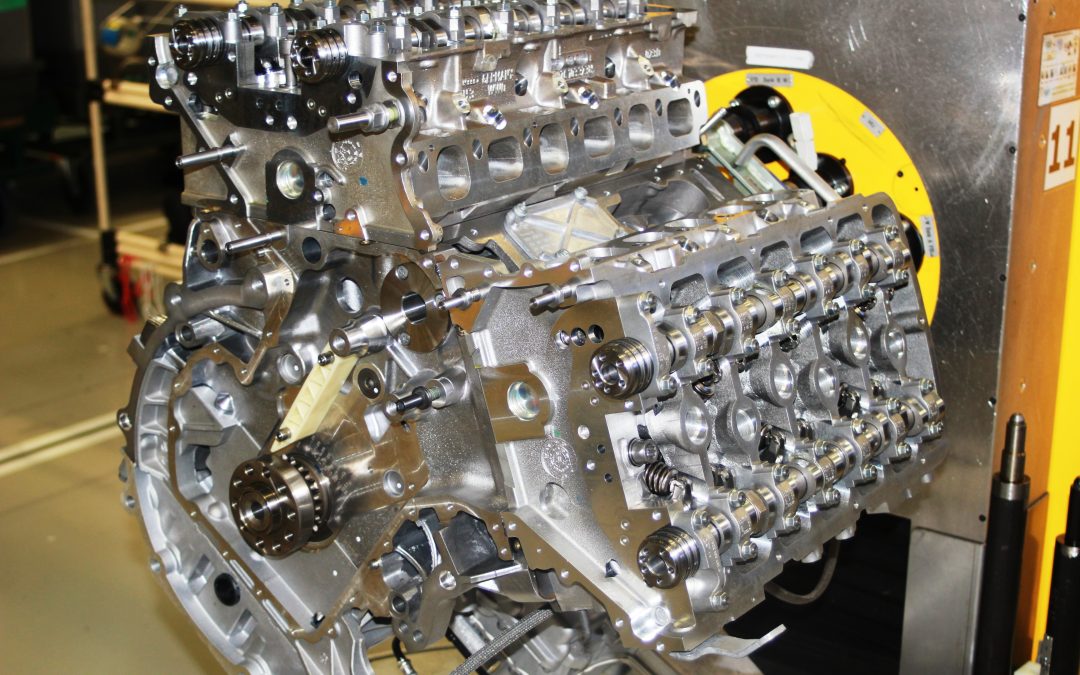
Once he had rationalised the bread-and-butter range Piëch grew bored. Geniuses need to show off so he tried to acquire Rolls-Royce and Bentley but was thwarted ironically by Pischetsrieder. VW only got Bentley while Rolls-Royce devolves to BMW in the new year. He bought Bugatti and wants to develop a Nardo sports car. He created an extravagant new engine, the W12, effectively two V6s back to back, which goes into the new Bentley. His love of motor racing has put Bentley back on the track and made Audi winners at Le Mans. Yet he launched the VW Phaeton, a luxury brand that cuts across Audi.
I had dinner with Piëch once at a Geneva Motor Show and was struck not only by his deep intellect but also how, in English, he spoke slowly and deliberately. He chose words with care and precision, gazing intently at you so there could be no doubt about what he meant. I mentioned this to a senior executive at VW. He paused and stiffened slightly. “Dr Piëch is just the same when he is speaking German,” he said.
Pischetsrieder is different and a consummate operator. He is not an engineer like Piëch but he has warmth and humour. VW’s third quarter results were below expectations with profits halved. VW’s Wolfsburg plant will close for three weeks at Christmas, officially while it makes ready for the new Golf, but since that will not be in production until next September it looks more like a shutdown to avoid over-stocking.
Published November 2002