
It took decades to convince passengers they were safer with clever gadgets than pilots who couldn’t see where they were going. It may be a decade or two before driverless cars, but satellite navigation and computers, not even invented when the Trident’s avionics did the job, have put the technology in place. Driverless cars are running. They’ve done hundreds of thousands of miles.
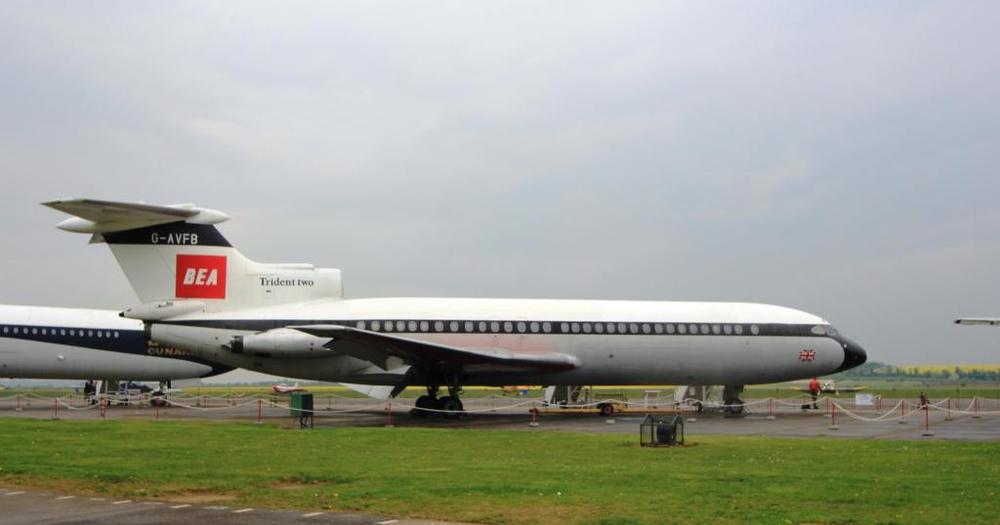
The 1960s Trident had an automatic blind landing system developed by Hawker Siddeley and Smiths Aircraft Instruments, which guided aircraft during approach, flare, touchdown and even roll-out from the landing runway. It enabled a Trident to perform the first automatic landing by a civil airliner in scheduled passenger service on 10 June 1965. The first genuinely blind landing in scheduled passenger service was on 4 November 1966.
The incentive was commercial. Airlines wanted to fly even when it was foggy. There will come a time somewhere, America, China perhaps, when a motorway will have driverless cars and trucks. It will run beautifully and safely. IAM members will be left on their own, driving themselves on minor roads, feeling their old-fashioned archaic way, very slowly.